Nick Carter was conceived by Ormond G. Smith and created by John R. Coryell.
Story outline written by Brandon K Montoya
Full story written by Scarlett Brown
“Jiminy Cricket! No, really, Jiminy Cricket!”
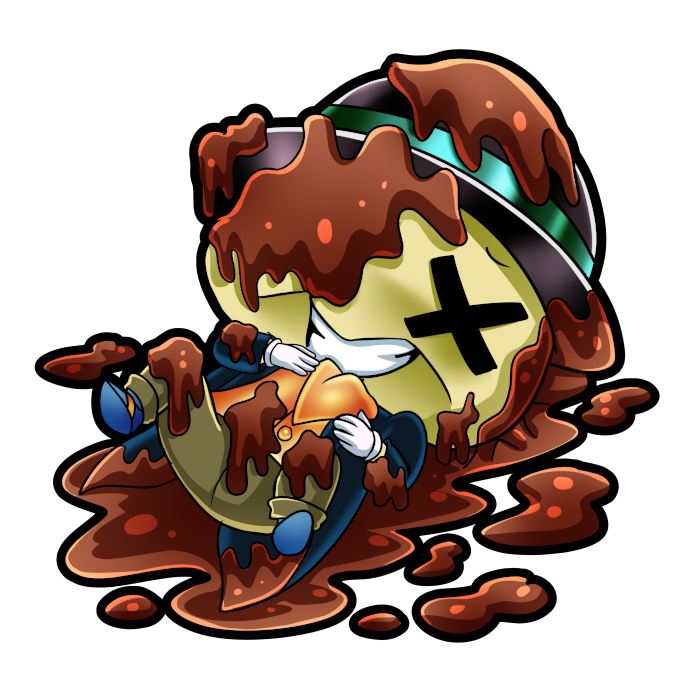
Jiminy Cricket was dead.
Not just regular dead, either. He was lying flat on the cobblestones behind the candy shop, covered in chocolate like somebody had dipped him for a holiday treat and forgot the “not a murder” part. The chocolate had gone shiny in some places and dull in others. At the top there were flies already having a little party.
Officer O’Reilly stood near the body with his hands behind his back, trying to look serious, which was hard because the whole thing looked ridiculous. He was a big man with a red face and a mustache that looked like it had opinions. He didn’t say much when he heard footsteps.
Nick Carter came into the alley like he was walking into some kind of church or something.
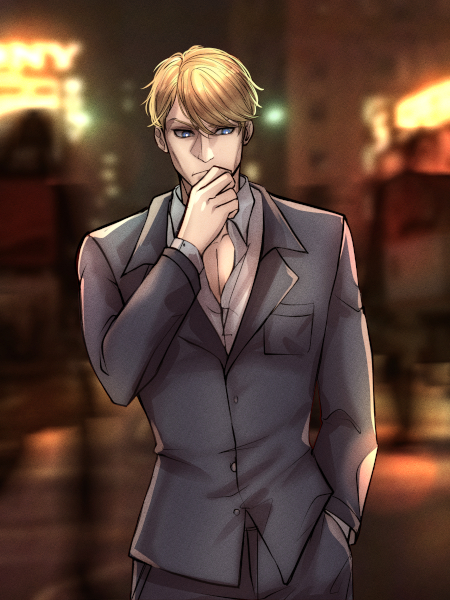
He wore a clean looking coat, with a black shoe that couldn’t go wrong on any cloth. He walked in calmly, but the kind of calm that meant his brain was already working faster than everyone else’s.
He stopped by the body and looked down.
For a second, nobody talked.
Then Carter said, “Well. Whoever did this wanted a confession and a dessert.”
O’Reilly made a noise in his throat, almost a laugh, but not quite.
Carter crouched carefully, not letting his trousers touch the chocolate. He studied the body, the ground, the walls, and every little thing.
His face was stark serious.
To Carter, this was not a joke.
It was a murder. And murders, even silly-looking ones, were his job.
He leaned in closer and pointed without touching.
“Chocolate was poured after,” he said. “See the pooling under his left arm? If he fell in it, the spread would be different. This was added. Messy, but added on purpose.”
O’Reilly nodded like he had expected exactly that kind of sentence.
“Carter’s eyes moved over the ground. ‘Scuff mark here,’ he said. ‘They struggled, but only for a second. Jiminy either knew the person… or the attack happened too fast for him to yell.”
He shifted two inches and picked up something tiny from the ground with the tip of a pencil.
“A wood shaving,” he said.
O’Reilly looked down. “Could be from the crate by the shop.”
Carter held it up. “Could be. Could also be from a liar with joints.”
O’Reilly rubbed his mustache so it wouldn’t look like he was smiling.
Carter kept going. “Straw there. Brick dust there. And that”—he pointed near the wall—“is a glove print. Looks Smudged, but someone put a hand here while turning.”
O’Reilly glanced where he pointed. “You see all that in one look?”
“No,” Carter said. “Two looks. I’m not a wizard.”
He stood and followed a faint mark on the cobblestones with the tip of his shoe. There was a short, odd footprint near the drain, half-smeared with chocolate and mud.
“Small foot. Heavy step. In a hurry.”
“Could be anybody,” O’Reilly said.
Carter gave him a flat look. “Yes, O’Reilly. In this city of circus nightmares, it could be anybody. Thank you for narrowing it down.”
O’Reilly let that one pass. He was used to Carter being sharp as a tack and prickly as a porch cat.
Carter looked back at the body, then at the clues again, like he was arranging little puzzle pieces in his head.
“Wood. Straw. Brick. Gloves,” he said. “Either we have one killer… or a committee.”
He crouched again and studied the wood shaving on his pencil tip like he had a grudge on it. “Let’s play the game properly,” he said. “We list suspects, then we throw stones at the bad ideas.”
“O’Reilly folded his arms. “Go on, then.”
Carter pointed as he spoke. “Wood shaving. That suggests a puppet. Pinocchio.” He moved the pencil. “Straw. That points to one pig.” Another tap. “Brick dust. That points to another pig. If we find a stack of building permits, I’ll call on the third.”
O’Reilly said, “And the glove print?”
“Professional habit,” Carter said. “Or vanity. Some people won’t touch a wall without dressing for it.”
O’Reilly glanced at Jiminy’s body. “You think this was personal?”
Carter tapped the cobblestone with one finger. ‘The fight was short,’ he said. ‘Whoever came at him didn’t give him much time to react.
O’Reilly nodded slowly. “That still fits more than one name.”
“It does,” Carter said. “But one name comes with a history lesson.”
He stood up straight now, like he was about to teach class.
“In the original story, Pinocchio tries to kill Jiminy Cricket with a mallet. He didn’t have time to argue. Not even threaten but to Kill. That gives us motive, precedent, and a very ugly habit.”
O’Reilly said, “Stories aren’t always evidence.”
“No,” Carter said. “But patterns are. Men repeat themselves. So do puppets.”
O’Reilly looked down at the straw near the drain. “And pigs?”
Carter waved a hand. “Pigs are loud. Pigs are greedy. Pigs leave chaos. This”—he pointed at the body—“is mean, neat enough, and theatrical. Chocolate is a message. Pinocchio likes drama. He lies for breakfast and performs before lunch.”
O’Reilly watched him for a while. “You sound pretty sure.”
Carter slid the pencil into his pocket. “I was pretty sure five minutes ago. Now I’m just being polite about it.”
O’Reilly didn’t argue. He only looked once more at the straw, then the brick dust, then Carter.
“Alright,” he said. “So tell me how your puppet did it”
Carter turned back to the body and lifted one hand, like he was drawing a map in the air.
“Simple,” he said. “Pinocchio comes in angry. Maybe Jiminy threatens to expose him. Maybe he insults him. Either works. Pinocchio swings something heavy like mallet or a club, whatever he grabbed first. Jiminy goes down. Then our wooden friend gets clever.”
O’Reilly kept his face straight. “Clever.”
“Yes,” Carter said. “Not smart. Clever. There’s a difference.”
He pointed to the chocolate on Jiminy’s coat. “This part comes last. The chocolate is theater. It makes the scene look silly, so people stop thinking. It also covers traces. Blood, fibers, fingerprints. Very useful, and very childish. Exactly the kind of thing a guilty puppet would do.”
O’Reilly looked at the body. “You think he dipped him on purpose just to waste our time.”
“I think he did it because he wanted to make a joke,” Carter said. “Criminals love jokes. Especially when they are the only one laughing.”
O’Reilly nodded toward the ground. “Then why the straw?”
Carter answered right away. “Tracked in. Alley trash. Or packing straw from the candy shop.”
O’Reilly pointed to the wall. “Why the brick dust?”
“Old wall,” Carter said. “Loose mortar. You breathe too hard in this alley and the bricks start shedding.”
O’Reilly looked back at him. “Why no clear mallet?”
Carter clicked his tongue. “Because he took it with him.”
“Convenient.”
“Professional,” Carter corrected.
O’Reilly folded his arms again. “You just called him childish.”
Carter gave a small shrug. “Childish is not the same as careless. Some people throw tantrums and still clean up after themselves. I’ve met bankers like that.”
O’Reilly’s mustache twitched.
Carter crouched and traced a line in the air near Jiminy’s shoulder, showing where he thought the blow came from. “Look at the angle, you can see Pinocchio has the reach and look at the wood shaving, isn’t it the loudest clue in the alley.”
“Loudest doesn’t mean truest,” O’Reilly said.
Carter stood up and brushed off his sleeve. “No. But when one clue shouts and the others mumble, I start with the one that knows how to speak.”
O’Reilly looked at the straw and brick dust again, then at the chocolate on Jiminy’s coat.
He said nothing.
That was how Carter knew he was winning the argument.
Or at least winning enough to keep talking.
After a while O’Reilly stepped around the drain and crouched with a soft grunt. He did not touch the body. He just looked close, the way old cops do when they already know what they are looking for.
“There’s straw stuck in the chocolate,” he said. “Not near the ground. Up here on the shoulder.”
Carter glanced over. “The alley is full of it.”
“Maybe.” O’Reilly pointed lower, near the drain. “And this mud print, it really looks like a Short foot with deep heel. Pretty much looks heavy for the size.”
Carter gave a small wave with his hand. “I told you earlier people come in all shapes, O’Reilly. Some of them stomp.”
O’Reilly did not smile this time. He leaned closer to the wall and narrowed his eyes. “And look at this mark,” he said. “It’s dark and dusty. Looks like smoke dirt mixed with brick powder.”
Carter looked at the wall, then fixed his cuffs. “It’s an old brick wall,” he said. “There’s smoke from the candy shop and dirt all over this alley. If we arrest every dirty brick, we’ll need a bigger jail.”
O’Reilly stood up slowly. “I’m only saying it’s there.”
“And I’m only saying it lives here,” Carter replied.
For a second, the alley went quiet again.
O’Reilly looked from the straw in the chocolate to the muddy footprint, then to the dark smudge on the wall. He looked like a man holding three puzzle pieces and waiting for the picture on the box.
Carter, meanwhile, already had his picture.
He took one last look at Jiminy Cricket and buttoned his coat.
“Pinocchio did it,” he said. Then he added, with a thin little smile, “and did it badly.”
O’Reilly’s eyes stayed on the wall a moment longer.
Then he looked at Carter and gave a small nod that could mean yes, or maybe, or go on and be wrong if you need to.
“Alright,” O’Reilly said. “Let’s go hear what the puppet has to say.”
Carter gave the alley one last sweep with his eyes, like he was shutting a drawer in his head.
“We go now,” he said. “If Pinocchio did this, he’s either hiding the weapon or practicing his innocent face.”
O’Reilly started walking with him toward the alley mouth. “You want him brought in, or just questioned?”
“Questioned first,” Carter said. “He talks when he gets nervous. The trick is to let him hear his own voice long enough to trip over it.”
They passed the back door of the candy shop. Warm sugar air came out in a puff.
O’Reilly said, “And if he asks for a lawyer?”
Carter didn’t slow down. “Then I congratulate him on personal growth.”
O’Reilly gave him a side look. “And if he didn’t do it?”
Carter reached the street and stopped just long enough to put on his gloves. “Then he will enjoy ten full minutes of my apology, and I will hate every second of it.”
“That your promise?”
“It’s my threat.”
O’Reilly almost smiled at that, but his eyes still had that careful look in them.
He asked one more question before they stepped into the street. “You’re not worried you moved too fast?”
Carter pulled the gloves tight, finger by finger. “I’m worried all the time,” he said. “That’s why I move fast.”
Then he looked toward the road, where the city was already bustling and hustling.
“Come on,” Carter said. “Let’s go ask a puppet why a cricket ended up dead in a candy alley.”
He stepped out first, O’Reilly followed suit by half a step, his mind clearly still back in the alley.
They made it three doors down before Carter stopped under a streetlamp and pulled out his watch.
He flipped it open, checked the time, and clicked it shut.
“We’ll do this clean and quick,” he said. “I want this wrapped before supper.”
O’Reilly looked at him. “That urgent?”
Carter started walking again. “Very. My wife is cooking tonight.”
O’Reilly missed half a step.
It was tiny. Just a small hitch in his boot on the cobblestone, like he stepped on a loose stone. He covered it fast and kept moving.
“Ah,” O’Reilly said. “Right.” He cleared his throat. “Wouldn’t want to keep her waiting.”
Carter gave a firm nod, like this was the most normal thing in the world. “Exactly. She dislikes cold food, and I dislike hearing about it.”
O’Reilly’s mustache twitched, but he kept his face steady. “Fair enough.”
Carter tucked the watch back into his coat. “Good. Then no wandering, no side roads, and no long speeches. We speak to Pinocchio, we get answers, and I go home.”
He turned at the corner without another word and headed up the street.
O’Reilly stayed back for one second and watched him go.
Then he looked down the road, thoughtful and quiet.
He didn’t say a thing.
He just followed.
Fiverr Ghostwriter
Scarlet is writing a re-imagining of the Nick Carter storyline for me.
Hi, I’m Scarlet, a professional ghostwriter and editor who helps clients turn rough ideas into finished, publish-ready stories. I specialize in thrillers, crime, mystery, and commercial fiction, with clean pacing, strong dialogue, and natural voice. I can rewrite, expand, and polish manuscripts, or build full books from outlines, while keeping your tone and story goals front and center.
Fiverr Illustrator
Liyuu is an extremely talented illustrator that makes super pretty anime style images. We really like their work.
(Note: this is my one and only real account (FIVERR)! I DO NOT have any social media, especially DISCORD, I use Fiverr only! If you find any social media platform with my name or identity on it, that’s NOT me! Please be careful guys!) ✨Hi-hi! Welcome-! (´。• ᵕ •。`) ♡ I’m a chibi & anime-style illustrator with over 6 years of experience. I love bringing cute, colorful, and expressive characters to life! Let’s turn your ideas into something super amazing together~ (≧◡≦) ♡
This is their Fiverr page.
Fiverr Illustrator
Paws And Claws does more than furries and cute animals. They are also a very talented anime / manga style illustrator from Indonesia.
Hi! I’m an illustrator working with a dedicated creative team. We love bringing characters to life through anime PFPs, chibi illustrations, emotes, and VTuber designs. Every project is made with care, personality, and a touch of fun! We’d love to help turn your ideas into something eye catching and full of charm. Let’s make something amazing together!
 Tangents Brand : Music, Comics & Stories & Shizzle
Leave a comment