
Prologue: The Night of Unseen Heroes
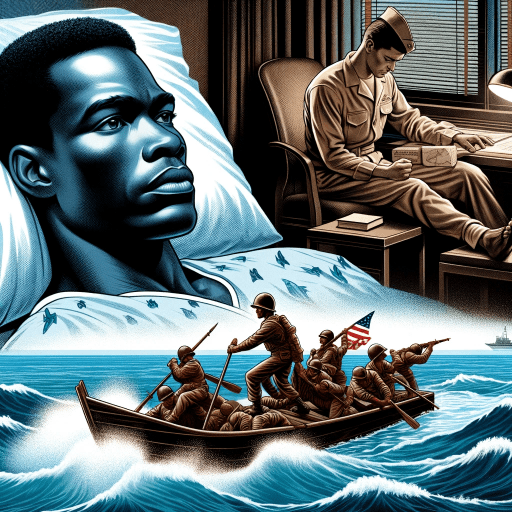
In the dark, tumultuous waters of the Solomon Islands, September 4, 1942, a tale of heroism unfolded under the shroud of World War II. Charles Jackson French, a Black cook aboard the USS Gregory, found himself amidst chaos as their ship succumbed to Japanese fire. Amidst the roaring waves and the looming threat of enemy shores, French’s bravery shone as a beacon of hope. With a makeshift raft, he tied a rope around his waist and plunged into the shark-infested waters, his muscles straining against the relentless currents.
For eight grueling hours, French towed the raft, burdened with 15 wounded shipmates. The night sky, pierced by the cries of men and the distant echo of war, witnessed his solitary struggle against the tides. Each stroke was a testament to his unwavering resolve, a battle not just against the physical forces of nature but against the undercurrents of racial injustice and segregation that permeated the military.
French’s bravery was more than an act of survival; it was a defiance against the currents of inequality that tried to pull him under. Yet, in the aftermath of his heroic deed, recognition eluded him. Submitted for high valor awards, he received nothing but a cursory letter of thanks, its words falling short of the honor he deserved. French’s story, a vivid portrait of courage and resilience, remained largely overshadowed by the larger narrative of the war, his name whispered only in the corners of history.
As the world turned its gaze to the battles ahead, the echoes of French’s valorous swim faded into a silent obscurity, waiting for the tides of time to bring recognition to the surface. The dawn of that September day marked not just the survival of 15 men but the beginning of a long, unseen struggle for acknowledgment in a world that was yet to understand the true meaning of valor.
Chapter 1: Echoes of Guadalcanal
In the aftermath of the heroic night at Guadalcanal, Charles Jackson French found himself in the confines of a naval hospital, his body aching but his spirit unbroken. The whispers of his bravery echoed through the sterile corridors, yet the depth of his heroism lay shrouded in the shadows of racial barriers. French, a Black cook who defied the raging sea and sharks to save his shipmates, faced a new challenge – the fight for recognition in a world blinded by color lines.
French’s story, though remarkable, was met with a tepid response from the Navy. A mere letter of commendation was all he received for his valor, a stark contrast to the medals and honors bestowed upon others for lesser deeds. This blatant disregard stung French, igniting a fire within him to seek the recognition he rightfully deserved.
As days turned into weeks, French’s tale of heroism spread beyond the hospital walls, reaching the ears of fellow sailors, nurses, and eventually the public. His actions, a beacon of bravery and selflessness, began to inspire those around him. Yet, the lack of formal acknowledgment from the Navy cast a long shadow over his accomplishments. French grappled with this injustice, his resolve hardened by the indifference and discrimination he faced.
Back in his hometown, French’s heroism was celebrated. He was a living legend in his community, a symbol of resilience and strength. His story, passed from mouth to mouth, served as a source of pride and inspiration, particularly within the Black community. But the void left by the Navy’s lack of recognition remained, a silent reminder of the systemic racial barriers that continued to pervade society.
Determined to change the narrative, French began to speak out. He shared his story with local groups, churches, and schools, not just as a tale of survival, but as a testament to the courage and contributions of Black Americans in the war. His words resonated with listeners, echoing the broader struggle for equality and justice.
However, the internal struggle for acknowledgment weighed heavily on French. He yearned for his bravery to be recognized not just as a personal triumph, but as a historic milestone in the journey towards racial equality in the military. His story, intertwined with the larger civil rights movement, became a rallying cry for change.
As French stood before a group of young, wide-eyed listeners, recounting his night of valor, his words transcended the bounds of time and race. In the faces of these youngsters, French saw not just admiration but the dawn of a new era – an era where heroism knows no color, where bravery is celebrated regardless of race, and where the tides of change are embraced for a more just and equitable world.

Chapter 2: Waves of Change
As the war raged on, the world slowly began to turn its pages, leaving behind tales of unsung heroes like Charles Jackson French. Yet, in the heartland of America, French’s story kindled a different kind of battle – a fight for recognition and equality. His act of valor at Guadalcanal, though fading from the naval annals, became a beacon in the burgeoning civil rights movement.
French, back in civilian life, found himself at a crossroads. The heroism that defined one night of his life now shaped his entire existence. He was more than a survivor; he was a symbol of a struggle much larger than himself. In the Black community, his story was not just about a man saving lives; it was about breaking barriers, challenging stereotypes, and demanding equality.
Despite the accolades and admiration from his community, the lack of formal recognition from the Navy lingered as a bitter reminder of the racial inequalities still rampant in society. French, however, refused to let this oversight define his legacy. He began to use his story as a platform, speaking at events and rallies, his voice growing stronger with each word.
His narrative resonated with many, bridging the gap between the heroism of Black soldiers and the civil rights movement. French’s story became a rallying cry, a testament to the courage and determination of African Americans fighting both at home and abroad. His efforts were not just about seeking personal recognition but about highlighting the contributions of countless other Black servicemen who had been overlooked and underappreciated.
As French traveled across the country, sharing his experiences, he encountered a tapestry of reactions – admiration, disbelief, and even skepticism. But through it all, he remained steadfast, his resolve unshaken. He connected with other war veterans, civil rights activists, and ordinary citizens, all touched in some way by his story and what it represented.
However, the true test of French’s impact came when he was invited to speak at a major civil rights rally. Standing before a sea of faces, French realized the magnitude of his journey. His story was no longer his alone; it had become a part of a larger narrative, a symbol of hope and change. His words echoed not just in the halls where he spoke but in the hearts and minds of those who heard him.
In that pivotal moment, as French gazed over the diverse crowd gathered at the rally, a profound realization dawned on him. His journey had transcended personal recognition; it had ignited a larger movement. Surrounded by faces filled with hope, determination, and a shared desire for change, French understood the true power of his story. It was a beacon not just of individual heroism but of collective resilience and the relentless pursuit of justice. His words, imbued with the weight of experience and the strength of conviction, were no longer just his own. They were the voice of many, echoing a resounding call for equality and acknowledgment acro
ss a nation on the cusp of transformation.

Chapter 3: The Tide of Recognition
As the 1940s gave way to the 1950s, the world continued to evolve, but the recognition Charles Jackson French so rightly deserved remained an unfulfilled quest. Despite his growing prominence as a symbol of bravery and racial equality, the official commendation from the Navy eluded him. However, French’s determination never wavered. He continued to share his story, drawing attention not only to his deeds but also to the broader issue of racial inequality in the military and beyond.
During this time, French’s tale began to reach a wider audience. His story was featured in newspapers and radio broadcasts, shedding light on the overlooked contributions of African American servicemen in World War II. This growing attention started to shift public opinion, slowly eroding the barriers of racial prejudice that had long stood in the way of recognizing the heroism of Black soldiers.
French’s relentless advocacy began to resonate within the corridors of power. Influential figures in the civil rights movement and sympathetic politicians started to advocate for French, calling for the Navy to formally acknowledge his heroism. These efforts culminated in a significant breakthrough when a prominent senator took up French’s cause, bringing it to the floor of Congress. The debate that ensued was not just about honoring one man’s bravery but about confronting the systemic racial biases that had tainted the military’s history.
Meanwhile, French’s personal life took a turn. He found love and started a family, his personal happiness contrasting sharply with his public struggle for recognition. His wife and children became his stronghold, providing him with the emotional support that fueled his continuing fight for justice. French’s story, once a narrative of individual heroism, was now interwoven with the themes of love, family, and community.
As French’s quest for recognition continued, he faced both support and opposition. While many championed his cause, others sought to maintain the status quo, unwilling to acknowledge the racial injustices of the past. But French remained undeterred, his resolve only strengthened by the challenges he faced. His story, once confined to the shadows of history, was now a beacon illuminating the need for change.
In this chapter of his life, French became more than a war hero; he evolved into a symbol of the civil rights movement, his struggle mirroring the larger fight for racial equality in America. His journey transcended personal recognition, embodying the collective aspirations of a community long marginalized and overlooked.
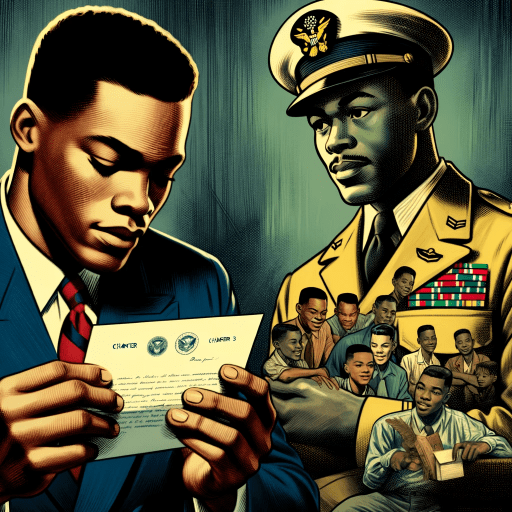
Later, In the quiet of his modest living room, Charles Jackson French carefully slit open an envelope bearing the official seal of the U.S. Navy. His hands trembled slightly, a mix of anticipation and years of pent-up hope resonating in this simple act. As he unfolded the letter, his eyes quickly scanned the words, each sentence lifting a weight he had carried for years. The Navy was finally recognizing his heroic actions during World War II. This letter was more than just an acknowledgment; it was a symbol of overdue justice, a rectification of years of oversight. For French, it marked a moment of profound vindication and a step forward in the long journey towards equality and recognition for all who had been marginalized and forgotten in the narratives of history.
Chapter 4: A New Dawn
The news of Charles Jackson French’s formal recognition by the Navy rippled through the nation, igniting conversations in homes, cafes, and even in the halls of government. This acknowledgment was more than a personal victory for French; it symbolized a broader shift in societal attitudes towards race and valor.
In his community, French’s long-awaited recognition was celebrated as a triumph of perseverance and justice. Parades were organized in his honor, speeches were given, and for a brief moment, the divisions of race seemed to blur in the shared pride of his achievement.
French, amidst all this, remained humbly grounded. He saw his recognition not as an end but as a beginning – an opportunity to further the cause of equality and to spotlight the contributions of other African American heroes who had been denied their rightful place in history.
His story, now recognized by the Navy, took on a new life. Documentaries were proposed, books were written, and French himself was invited to speak at universities and military academies. With each appearance, he spoke not only of his own experiences but also highlighted the larger issues of racial inequality and the need for change.
In this renewed spotlight, French became a mentor and an inspiration to younger generations, particularly to those in the African American community. He encouraged them to pursue their dreams, to stand up for their rights, and to never let the color of their skin define their potential.
French’s journey also began to resonate within the military. His recognition sparked discussions about revising policies and practices, paving the way for a more inclusive and equitable environment. It was a slow and gradual process, but French’s story served as a catalyst for these much-needed changes.
As French navigated this new phase of his life, he often reflected on his journey. The struggles and challenges he had faced seemed to pale in comparison to the impact his story had made. He had become a symbol of hope and change, not just for his community but for the nation as a whole.
His legacy, once at risk of being forgotten, was now etched firmly in the annals of history. Charles Jackson French had transformed from a forgotten hero into a beacon of change, his story a testament to the enduring spirit of resilience and the unyielding pursuit of justice.
Chapter 5: The Ripple of Change
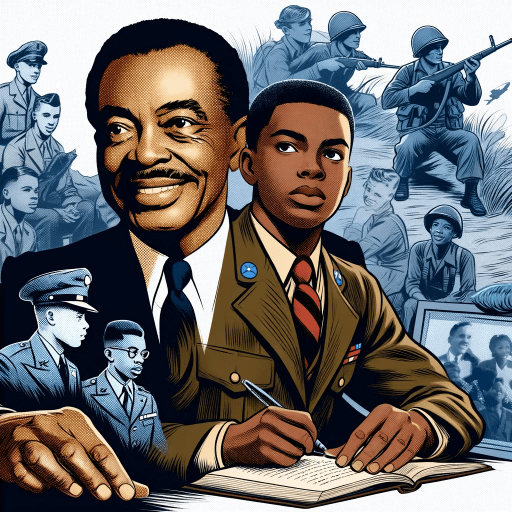
With the formal recognition from the Navy, Charles Jackson French’s life entered a new chapter. The story of his heroism, once confined to the margins, was now a subject of national discourse. Schools and universities began to include his story in their curricula, exemplifying courage and resilience against adversity. French himself became a sought-after speaker, his words inspiring a new generation to challenge racial barriers and strive for excellence.
In this period of recognition, French also witnessed changes within the Navy. His story had spurred a reevaluation of policies, slowly dismantling the long-standing racial barriers within the military. Young African American sailors now looked up to him as a pioneer who paved the way for their future in the armed forces.
Despite these advancements, French remained acutely aware of the ongoing struggles for racial equality. He used his newfound platform to advocate for civil rights, often reminding his audience that the fight against injustice was far from over. His speeches, imbued with the wisdom of experience, underscored the importance of unity and collective effort in overcoming societal prejudices.
French’s influence extended beyond public appearances. He became involved in community projects, mentoring young people, and lending his voice to grassroots movements. His presence in these initiatives was a powerful reminder of the potential for change in every individual.
As he moved through this phase of his life, French’s humility and steadfast commitment to equality stood as a guiding light. His journey had transformed him from a hero of the night at Guadalcanal to a champion of change, advocating for a world where courage and character were the true measures of a person’s worth.
The impact of French’s story was a testament to the enduring power of perseverance and the indomitable human spirit. His legacy, once overshadowed by racial bias, was now a beacon inspiring countless individuals to strive for a more just and inclusive society.
Chapter 6: The Horizon of Hope
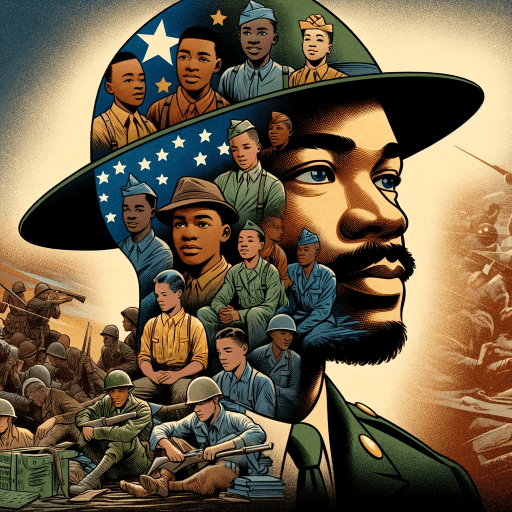
As the years progressed, the impact of Charles Jackson French’s story continued to unfold in profound and unexpected ways. His narrative, once a mere footnote in history, had become a symbol of courage and a catalyst for change. The ripples of his recognition resonated far beyond the confines of his community and the Navy, touching the lives of many across the nation.
French’s story began to be celebrated not just in the African American community but as a vital part of American history. His tale was featured in documentaries and history books, shedding light on the contributions of African Americans to the nation’s military history. This wider recognition brought a sense of validation not just to French but to countless other unsung heroes whose stories had been overlooked.
In his later years, French found solace in the knowledge that his struggle for recognition had opened doors for future generations. He saw a new generation of African American officers rising through the ranks of the military, their paths a little easier thanks to the groundwork laid by people like himself.
French’s personal journey of resilience and advocacy also became a source of academic interest. Scholars and historians sought his insights, looking to understand the broader implications of his experience in the context of racial dynamics and military history.
Despite the accolades and recognition, French remained a humble man. He often said that his greatest achievement was not the swimming feat itself, but the opportunity it provided to shine a light on the broader issues of racial inequality and injustice. He remained active in his community, offering guidance and support to those who sought to make a difference.
As French looked back on his life, he realized that his greatest legacy was not in the medals or formal recognitions, but in the hope and inspiration he provided for future generations. His story, a testament to the power of courage and perseverance, continued to inspire those fighting for a just and equitable world.
Epilogue: The Legacy of Valor
In the twilight of his years, Charles Jackson French looked back on a life that had transformed from a tale of unsung heroism to a legacy of enduring change. The Navy’s decision to name a ship after him, the USS Charles J. French, stood as a monumental testament to his valor and the long-overdue recognition of his contributions.
This honor resonated beyond a personal triumph; it symbolized a nation’s journey towards acknowledging the often overlooked sacrifices of African American servicemen. French’s story, once a whispered legend, had become a beacon of hope and a catalyst for progress in the fight for racial equality.
As the news of the ship’s christening spread, it brought a sense of closure and fulfillment to French’s lifelong quest for recognition. The USS Charles J. French would sail the seas not just as a vessel of war but as a symbol of courage, resilience, and a nation’s capacity for growth and rectification.
French’s legacy, cemented in the steel and spirit of the ship bearing his name, would continue to inspire future generations. His journey from the dark waters of Guadalcanal to the annals of history was a testament to the enduring power of the human spirit to overcome adversity and effect change.
In the story of Charles Jackson French, the world found a hero whose valor transcended the boundaries of time and race, leaving an indelible mark on history and the hearts of all who would come to know his story.
 Tangents Brand : Free Entertainment, no BS
Leave a comment