AI-Generated Novel Wins Literary Prize in China: A Critical Analysis
Source 1 : South China Morning Post – Subscription required
Source 2 : Cybernews
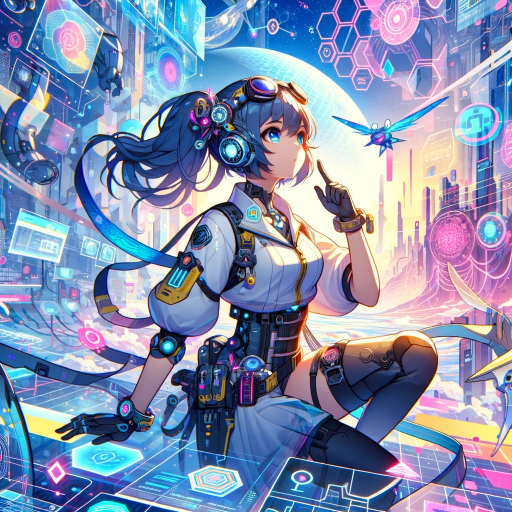
The Groundbreaking News: In an unprecedented event, an AI-generated science fiction novel, titled “The Land of Machine Memories,” won second prize at the 5th Jiangsu Popular Science and Science Fiction Competition in China. This novel, a creation of Shen Yang, a professor at Tsinghua University’s School of Journalism and Communication, was generated in just three hours based on 66 prompts suggesting a “Kafkaesque” style.

The Process: Shen Yang, leveraging AI technology, produced a draft of over 40,000 characters. Remarkably, the entire competition entry, including the novel’s outline, the illustrations, and even the pen name @SiliconZen, was AI-generated. Shen was the only contestant to submit work under a pseudonym.
The Novel’s Content: The story revolves around Li Xiao, a metaverse adventurer and neural engineer, on a quest to retrieve lost memories from her real-world life. This narrative secured the novel second prize, chosen by three out of six judges.
Judges’ Perspectives: Interestingly, only one judge, Fu Changyi, was aware of the novel’s AI authorship. Fu, the head of the Science Fiction Committee of the Jiangsu Provincial Association for Popular Science Writers, kept this information from other judges to assess their unbiased judgment. Despite the novel’s accolade, the judges concurred that it couldn’t be published without significant revisions, highlighting the distinct difference between AI-generated and human-written texts.
Reactions and Implications: Xiao Xinghan, a science fiction writer and judge, recognized the AI authorship, rejecting the novel primarily for its lack of emotional depth. He speculated that AI-generated literature could either be a fleeting trend or evolve into a significant challenge for writers. This event mirrors a similar situation in the photography world, where a Berlin-based photographer won the Sony World Photography Awards with an AI-generated image but later rejected the prize, arguing that AI-generated works should not compete in the same categories as traditional photography.
Analysis: The achievement of “The Land of Machine Memories” in a literary competition is both a technological marvel and a subject of intense debate in the literary world. It showcases the capabilities of AI in generating coherent and complex narratives, challenging the traditional notions of authorship and creativity. However, the mixed reactions from the judges and the requirement for significant revisions before publication underline the current limitations of AI in replicating the nuanced emotional and experiential depth that human authors bring to literature.
Conclusion: This event marks a significant milestone in the intersection of AI and literature, opening up discussions about the role of AI in creative processes. While AI demonstrates potential in generating content, its current inability to fully replicate the human touch in storytelling suggests that AI is more of an augmentative tool rather than a replacement for human creativity in literature. The future of AI in literature will likely be a collaborative one, where AI assists and enhances human creativity rather than supplanting it.
Here’s what the Green Angry Pundit has to say:
AI in Literature: A Game Changer or a Threat?
In the realm of literature, the advent of Artificial Intelligence (AI) has sparked a vibrant debate. Is it a threat to the sanctity of human creativity, or is it a boon that enhances our literary experiences? Let’s break it down.
1. Speeding Up the Writing Process: AI’s ability to generate text quickly is undeniable. This can be a significant advantage for authors, especially during initial drafting or when dealing with writer’s block. But let’s not kid ourselves, speed doesn’t equate to quality. The soul of literature lies in its depth, nuances, and the human experience it conveys. While AI can churn out words faster than any human, it lacks the intrinsic human touch – the emotions, the lived experiences, and the personal touch that make stories resonate with readers.
2. Diversifying Perspectives: AI, not being bound by human experiences, can introduce unique perspectives in storytelling. This is like throwing a wild card into the literary game – unexpected, intriguing, but also unpredictable. It’s a double-edged sword. On one hand, it can lead to fresh narratives; on the other, these narratives might lack relatability or emotional depth.
3. Assisting in Editing and Proofreading: Here’s where AI truly shines. It can be a valuable tool for editing and proofreading, catching errors that human eyes might miss. This isn’t just about grammar or spelling – AI can help in ensuring consistency in plot and character development, potentially reducing the time taken in the editing phase. However, the final judgment should always rest with human editors, as they understand the context and the subtle nuances that AI might overlook.
4. Threat to Creative Jobs?: There’s a fear that AI might replace human authors. But let’s be real – literature is not just about stringing together grammatically correct sentences. It’s about storytelling, and at the heart of every story is a human experience, something AI cannot authentically create. AI might assist, but it cannot replace the human element in literature.
5. Accessibility and Inclusivity: AI can democratize writing, allowing people who might not have had the opportunity to express themselves through written word to create stories. This can lead to a more inclusive literary world where diverse voices are heard. But, as always, there’s a flip side – the over-reliance on AI might dilute the richness that comes from diverse human experiences.
6. AI-Generated Literature Winning Awards: This is a tricky one. An AI winning a literary prize? It’s a testament to technological advancement, but it also raises questions about the criteria used to judge literary works. If the essence of literature is human experience and emotion, can an AI creation truly compete on the same level as human-authored works?
Conclusion: Enhancing, Not Replacing The world of literature is not under threat from AI; rather, it’s being augmented. AI brings benefits like faster writing, proofreading, and introducing new perspectives. But, it’s crucial to remember that the heart of literature lies in human experiences and emotions – something AI cannot replicate. AI in literature should be viewed as a tool, a companion to the human mind, not a replacement.
So, are we seeing the dawn of a new literary era? Perhaps. But one thing is clear – the soul of literature will always remain human. AI can enhance, assist, and even challenge our literary norms, but it cannot replace the human touch that makes literature what it is – a reflection of our humanity.
 Tangents Brand : Free Entertainment, no BS
Leave a comment