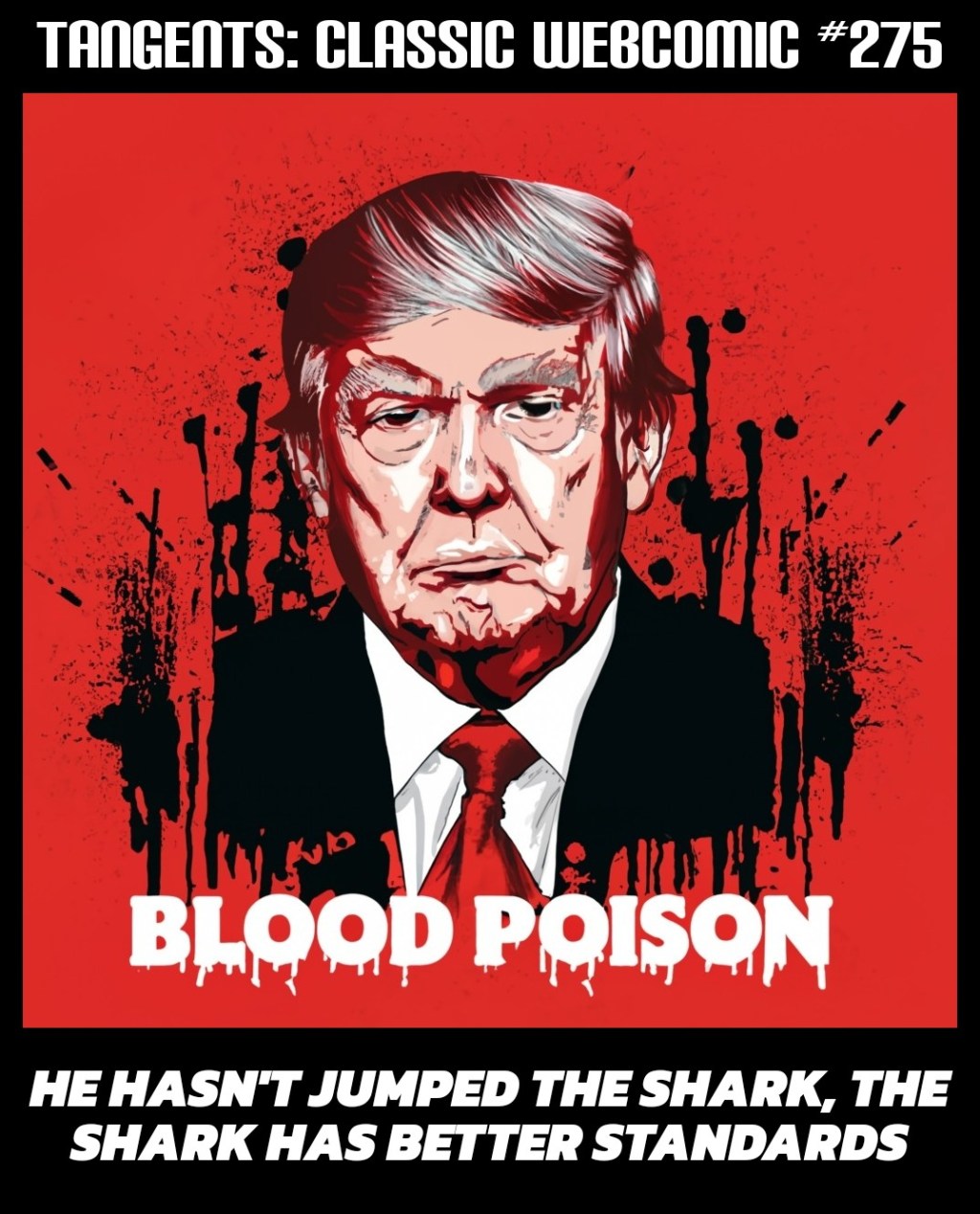


Ideogram prompt: red background hatecore racism Trump “blood poison” settings: Typography, Conceptual Art
If you generate AI Art and need an AI engine that’s not going to heavily censor you, Ideogram is the one you want to go with. Bing won’t let you render famous people or use simple words like “hatecore” or “racism.”
Trump’s Use of “Blood Poisoning” and its Fascist Connotations
The usage of the term “blood poisoning” by former President Donald Trump holds significant implications and has been criticized for its fascist undertones. This rhetoric serves to dehumanize and vilify immigrants, painting them as threats to the nation. The following paragraphs provide an explanation of why Trump’s use of blood poisoning is considered fascist, followed by summaries and citations of relevant sources.
- Dehumanization and Othering: Trump’s use of “blood poisoning” taps into a long history of fascist ideologies that rely on the dehumanization of certain groups. By associating immigrants with the notion of poisoning, Trump implies that they pose a threat to the purity and well-being of the nation. This rhetoric reinforces an “us versus them” mentality, portraying immigrants as enemies rather than fellow human beings with rights and dignity.
- Scapegoating and Nationalism: The usage of “blood poisoning” rhetoric by Trump can be seen as a form of scapegoating, diverting attention away from systemic issues and placing the blame on a specific group. Fascist ideologies often exploit popular fears and prejudices to consolidate power and promote nationalistic agendas. By framing immigrants as “poison,” Trump fuels nationalist sentiments, elevating the idea of preserving a perceived pure national identity above the rights and well-being of immigrants themselves.
- Authoritarianism and Control: The choice of words used by Trump, such as “blood poisoning,” highlights an authoritarian approach to governance. By employing inflammatory and dehumanizing language, fascist leaders seek to control public discourse, suppress dissent, and consolidate power. Trump’s use of such rhetoric aimed to rally his base by manipulating people’s emotions and fueling fears about the perceived threats posed by immigrants.
According to an article from The Hill[^1^], Senate Republicans expressed concern and recoiled at Trump’s remarks, highlighting how such language damages the fabric of a diverse and inclusive society. CBS News[^2^] reports on the reactions to Trump’s remarks, emphasizing how his rhetoric reinforces racist and anti-immigrant sentiments while exacerbating divisions within the country. Reuters[^3^] focuses on Trump’s repetition of his “blood poisoning” remark and highlights how it deepens concerns about his affinity for xenophobic and anti-immigrant ideologies.
In summary, Trump’s use of “blood poisoning” is considered fascist due to its promotion of dehumanization, the scapegoating of immigrants, and the cultivation of nationalist sentiments. These three key elements align with fascist ideologies of the past. It is essential to critically evaluate such rhetoric and its implications for democratic societies, emphasizing the need for empathy, understanding, and a rejection of divisive narratives.
Sources:
[^1^]: The Hill: Senate Republicans recoil at Trump ‘poisoning the blood’ remarks
[^2^]: CBS News: Trump uses racist “blood of our country” trope in targeting immigrants
[^3^]: Reuters: Trump repeats ‘poisoning blood’ anti-immigrant remark
Aesthetic Hatecore:
Aesthetic Hatecore refers to a specific visual style that incorporates elements of aggression, edginess, and provocative imagery. It often features bold and vibrant colors, dark themes, and a strong emphasis on controversial or taboo subjects. Hatecore aesthetics can vary widely, but they generally aim to evoke intense emotions and challenge societal norms.
Influence of Aesthetic Hatecore on AI Art:
When utilized in conjunction with AI art, Aesthetic Hatecore can have a significant impact on the final artistic output. By combining this style with AI algorithms, artists can explore and experiment with new forms of expression and creativity.
However, it is important to consider the potential implications and ethical considerations when using Aesthetic Hatecore in AI art, especially when incorporating famous figures like Donald Trump. These considerations include:
- Contextual understanding: AI algorithms must be trained to accurately understand the context and significance of using controversial imagery. This involves ensuring the AI understands the nuances and potential consequences associated with incorporating hatecore elements.
- Responsible content creation: Artists and developers must exercise responsibility when using Aesthetic Hatecore in AI art. They should be aware of the potential impact their creations may have and consider the ethical implications of their work.
- Public perception and reception: Aesthetic Hatecore, when combined with famous figures like Donald Trump, can elicit strong reactions from the audience. Artists and developers should be prepared for a range of responses, including criticism, controversy, or praise.
- Consideration of diverse perspectives: It is crucial to consider the diverse perspectives and backgrounds of the audience. Sensitivity towards different cultures and beliefs is essential when creating AI art that incorporates Aesthetic Hatecore elements.
Overall, the utilization of Aesthetic Hatecore in AI art offers an opportunity to explore new artistic territories and push boundaries. However, it is essential to approach this style with caution, responsibility, and a clear understanding of the potential impact it may have on the audience and society as a whole.
 Tangents Brand : Free Entertainment, no BS
Leave a comment