




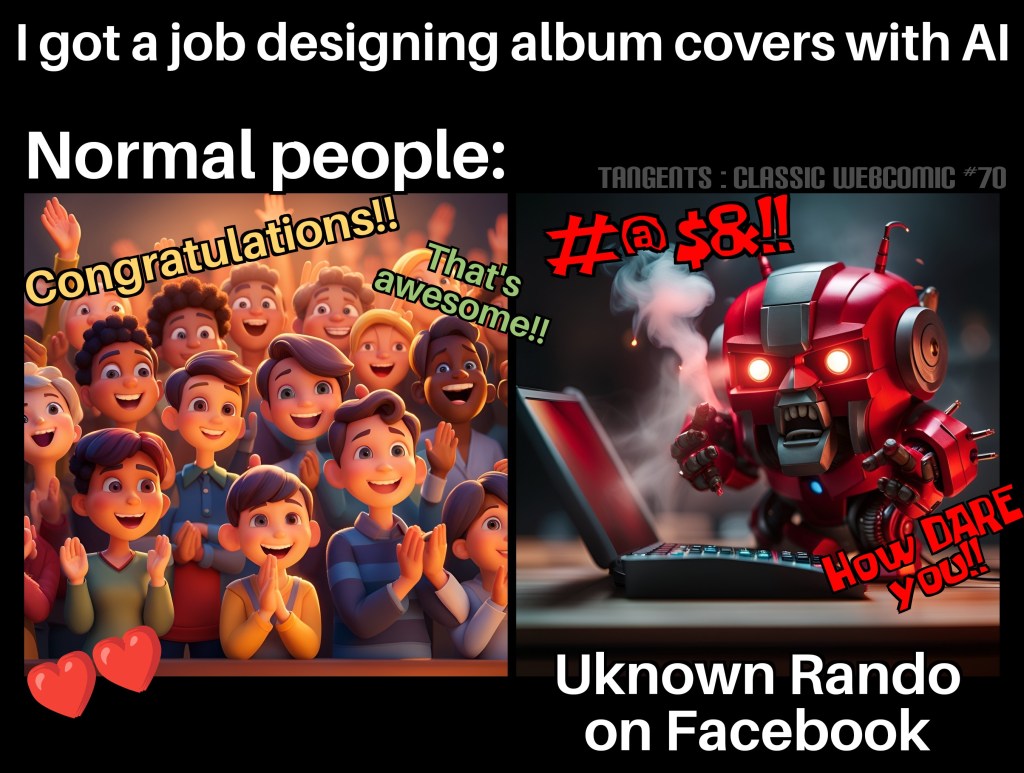
The phenomenon of people being upset over the potential impact of AI on jobs can be attributed to various factors. The increasing prominence of AI technology raises concerns about its potential to replace human labor in certain industries, leading to fears of unemployment and economic instability. Additionally, people may feel unease about the rapid pace of technological advancements and the uncertainty it brings to the job market.
However, it is important to note that the impact of AI on employment is not cut and dried. While AI has the potential to automate routine and repetitive tasks, it also creates new opportunities and can augment human capabilities. This has been demonstrated throughout history with the advent of previous technological advancements, such as the Industrial Revolution.
It is true that dwelling excessively on these concerns without taking constructive action can be counterproductive. Focusing solely on the negative aspects of AI can lead to unnecessary stress and frustration. Instead, individuals can channel their energy towards adapting to the changing job market by acquiring new skills and knowledge that will remain relevant in the AI era. Embracing a lifelong learning mindset and promoting policies that facilitate reskilling and upskilling can help individuals navigate the evolving job landscape.
Rather than solely blaming AI for potential job losses, it is more productive to focus on the role of AI as a tool for enhancing human productivity. By leveraging AI’s capabilities, individuals can automate repetitive tasks, freeing up time for more creative and complex problem-solving tasks. This shift can lead to a more efficient allocation of human resources and the development of new roles and industries.
In summary, while concerns about the impact of AI on jobs are valid, it is essential to approach the topic with a balanced perspective. Rather than fixating on the negative aspects and giving in to anger or frustration, individuals should focus on adaptability, acquiring new skills, and exploring opportunities for collaboration between AI and human intelligence. This proactive approach can help mitigate the negative consequences of AI while embracing its potential benefits for society.
 Tangents Brand : Free Entertainment, no BS
Leave a comment