




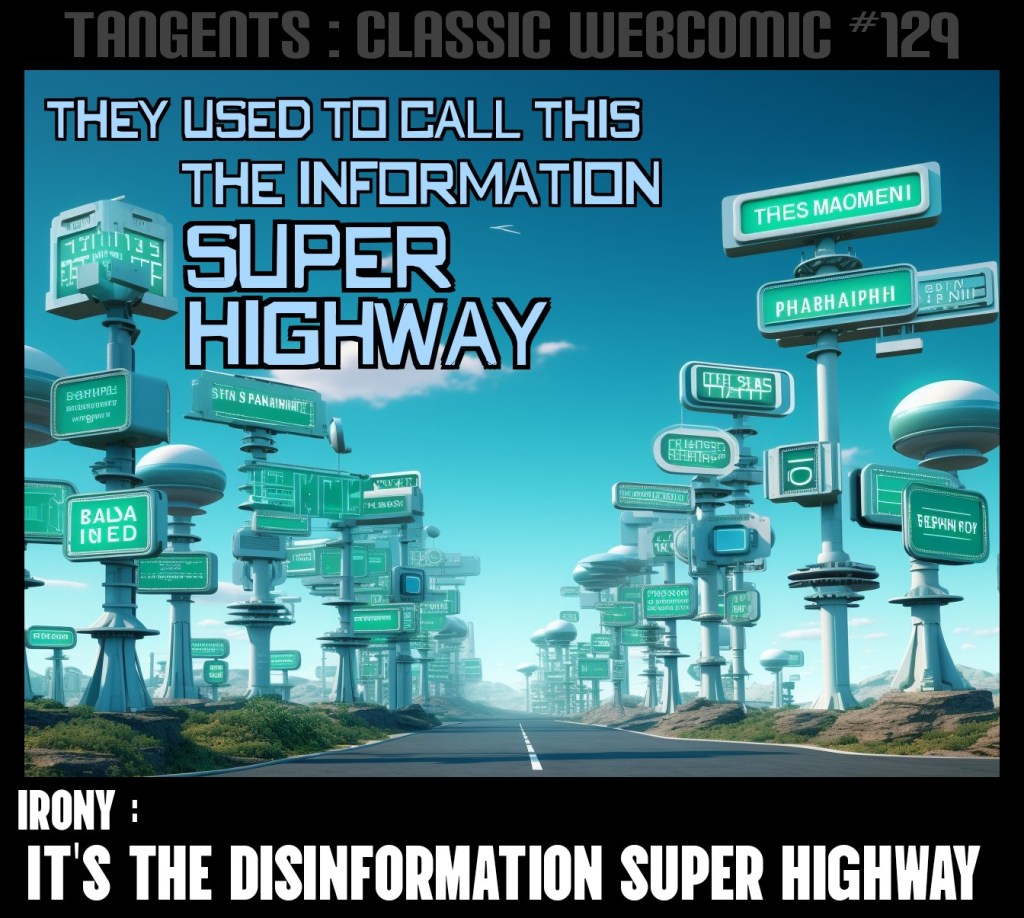
The phrase “information superhighway” first gained popularity in the 1990s as a metaphorical term for the internet. It was used to describe the vast network of interconnected computers and information systems that allowed for the rapid exchange of data, communication, and knowledge on a global scale.
The origin of the phrase can be traced back to a 1974 article titled “The Information Superhighway: Broadcasting through Hypermedia” by Antony Jay and Professor Peter McLaughlin. In the article, they envisioned a future where information would flow seamlessly and quickly through interconnected computers, just like traffic on a superhighway.
However, it was during the presidency of Bill Clinton in the early 1990s that the term gained widespread attention. The Clinton administration recognized the transformative power of the internet and actively promoted its development. The phrase “information superhighway” became a buzzword during this time and was frequently used by politicians, media, and technology enthusiasts.
The concept behind the term was to convey the idea of a highly efficient and accessible network that would revolutionize the way we gather, share, and consume information. It represented a vision of a digital age where knowledge and communication would be readily available to anyone with internet access.
Since its popularization, the internet has evolved tremendously, becoming an essential part of modern society. The term “information superhighway” may not be as commonly used today, but its legacy lives on in our interconnected world, where the rapid exchange of information continues to shape our lives.
 Tangents Brand : Free Entertainment, no BS
Leave a comment