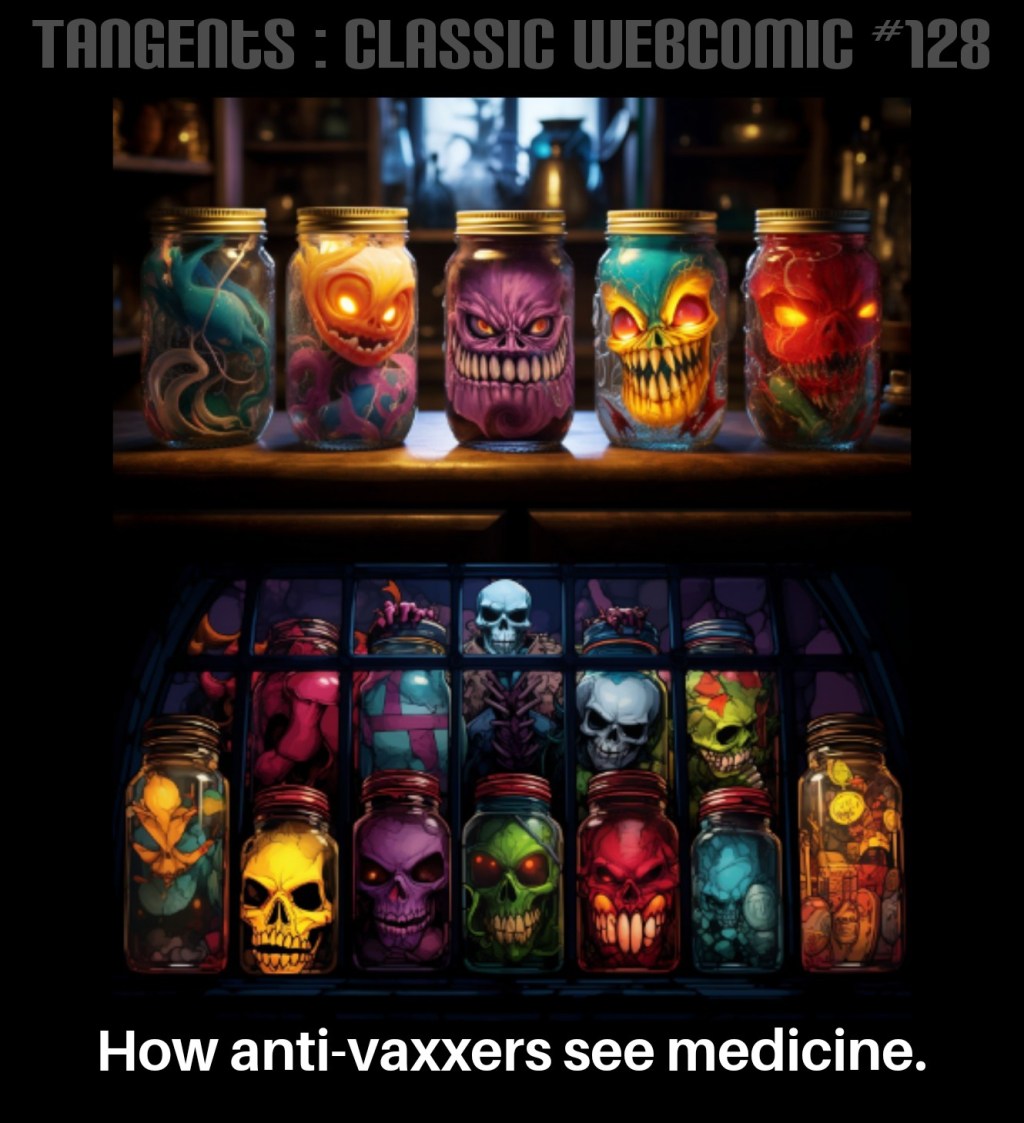





The anti-vaxx movement refers to a group of individuals who advocate against the use of vaccines. Its roots can be traced back to the late 18th century when the smallpox vaccine was first developed. However, the modern anti-vaxx movement gained momentum in the late 20th century with the publication of a now discredited study linking vaccines to autism.
In 1998, Andrew Wakefield, a British doctor, published a paper suggesting a connection between the measles, mumps, and rubella (MMR) vaccine and the development of autism. This study sparked widespread concern and led to a decline in vaccination rates in some communities. Subsequent investigations and scientific studies found no evidence of such a link, and Wakefield’s research was eventually retracted due to serious methodological flaws and ethical violations.
Despite the absence of scientific evidence supporting the alleged link between vaccines and autism, the anti-vaxx movement continued to gain followers. The growth of the internet and social media platforms provided a platform for spreading misinformation and conspiracy theories surrounding vaccines.
Since then, the movement has expanded to include various concerns about vaccine safety, efficacy, and governmental influence. Some individuals fear the potential side effects of vaccines, while others raise concerns about the influence of pharmaceutical companies or government agencies on vaccine development and distribution.
It’s important to note that vaccines have played a crucial role in reducing or eliminating many serious diseases throughout history, such as polio, measles, and smallpox. Public health organizations and medical professionals strongly advocate for vaccination as a safe and effective way to protect both individuals and communities from infectious diseases.
While the anti-vaxx movement continues to exist, debunking misinformation and promoting science-based information are essential to promote public health and prevent the resurgence of preventable diseases. Vaccines undergo rigorous testing and monitoring to ensure their safety and effectiveness, and they have proven to be one of the most significant advancements in modern medicine.
 Tangents Brand : Free Entertainment, no BS
Leave a comment